

A Good Likeness
Content notes
death, grief
The daughter has sent four pages of instructions and won't be coming, and so the woman on the table and the woman who loved her will pass each other today, if they pass at all, only through the two hands of a stranger.
The stranger is Vera, and the hands are hers, and she has been doing this for thirty-one years, long enough that she no longer thinks of the people on her table as people she hasn't met. She has met all of them. She meets them the way she always does, by reading what the body has set down: the way the spine has kept the shape of a chair, the places the sun was allowed and the places it wasn't, the wedding ring that has worn its own slow groove into a finger across so many years that the finger has closed around it the way bark closes around a nail left in a tree. The living tell you who they'd like to be taken for. The dead have given that up. It's the part of the work Vera has never been able to explain to anyone, and stopped trying to explain a long time ago — that she has come to find the dead easier company than the letters their families leave, because the dead are no longer asking her to make them into anything but themselves.
The letters are their own kind of grief, and Vera has read enough of them to know the genres. There are the short ones that trust her completely, two lines on a torn page, do whatever you think best, she was never vain — and these come, almost always, from the ones who sat with the dying all the way to the end and have nothing left they need to prove. There are the ones that apologise, paragraph after paragraph, for asking anything at all. And then there are the long, exact ones, the ones that have turned the dead into a final project to be got right, every shade specified, every choice taken out of her hands, and these, Vera has learned across thirty-one years, are almost never written by the ones who were in the room. They're written by the ones who weren't, who are paying now in detail for a distance they can pay for in no other way.
Today the letter is four pages, in a small, pressed, careful hand, the kind of hand that has been taught and has never quite forgiven the teaching. Dear Madam, it begins, which already tells Vera something — that the daughter doesn't know there's no Madam here, only Vera in her apron with the good light pulled down low, that the daughter imagines an office, a firm, a body of people to be addressed. I am writing because I cannot be there in person and I want everything to be right.
The woman on the table is named Eileen. She's seventy-eight and she has been a long time dying, Vera can see, the body gone to the particular lightness of a person the illness has been eating from the inside for the better part of a year, and she has the face such people often have at the end, which is a face that has stopped defending itself, that has let go of the small lifelong work of arrangement and become, in dying, more honest than it likely ever managed to be alive. Vera likes this face. She'd like it more if she were allowed to leave it alone.
But that isn't the work. The work is the letter.
She lays her brushes out on the steel tray in the order she has used for thirty-one years, the order her own teacher used before her, and pulls the good light down close, and for a moment, before she begins, she does the thing she always does, which is nothing — she stands with her hands quiet at her sides and lets the room be still around the woman, the hum of the cold cabinet, the tick of the pipes, the particular silence of a body that has finished. It isn't a prayer. Vera has no prayers. It's only a way of arriving, of letting the dead woman be a person one moment longer before she becomes, for the rest of the afternoon, a piece of work.
Her hair, the daughter writes, was never as grey as it has gone these last months. She kept it a warm brown her whole life, Clairol 4G, I have included the box, please use it, she would not want to be seen grey, she would be mortified. And so Vera mixes the warm brown and works it through the thin hair against the white of the scalp, and it's too dark, of course it is, it sits on the dead head like a wig on a doll, the way dyed hair always does on the very old and the very ill because the face has stopped being able to carry it, and Vera knows this and does it anyway, because the daughter has sent the box, the daughter has thought of the box, has stood in a chemist's somewhere with the box in her hand and chosen it, and that choosing is the closest the daughter can come to laying her own hands on her mother's head, and Vera won't be the one to refuse her that.
She works down the letter the way she works down a body, in order, top to bottom, sparing nothing.
Her lipstick is the coral, not the pink. People always think a woman her age wants the pink. She hated the pink. The coral is in the second drawer of her vanity, the one on the left, I have sent that too. And here's the coral, a stub of it worn down to the slant of a particular mouth, and Vera warms it on the back of her own hand and lays it on, and the daughter is right, the daughter is exactly right, the coral is the colour the face has been missing, and for a moment Vera feels the daughter in the room with her, the two of them bent over the same woman, agreeing.
Take her glasses off, the letter says. She wore them at the very end but I don't want her remembered behind them. She had lovely eyes. And Vera lifts the glasses away and folds them and sets them in the bag of things to be returned, and the face without them is barer, and younger, and less the face of a woman who spent her last year reading the large-print books with one finger held beneath the line; and Vera grants the daughter this too, because the dead have no use for their glasses, and the daughter needs her mother's eyes.
She should have her rosary in her hands, the letter says — and then, beneath it, in a different ink, added on some later day after more thought: — no. She gave all that up years ago and it would be a hypocrisy. Nothing in her hands. And Vera reads the first thought and the crossing-out and the second thought, and feels in them the whole of the daughter's difficulty: the wanting to do right by a woman whose own beliefs she must now guess at, and guess wrong, and correct herself, and leave, in the end, with nothing settled and nothing in the hands.
It doesn't last. It never lasts, with the letters. There's always the place where the daughter stops describing her mother and begins describing the mother she'd prefer to hand over to the people who will file past tomorrow, and Vera has done this long enough to feel that place coming the way you feel a change in the weather in an old break in a bone.
The brooch, the letter says, the gold one, not the one she actually wore, which was cheap and she only wore it because Auntie Joan gave it to her and she felt she had to. The gold one is better. No one will know the difference and it photographs well.
It photographs well. Vera sets the cheap brooch aside — it has come in the bag with the good one, the daughter has sent both, the daughter has covered every possibility — and she pins on the gold, and she thinks, not unkindly, that the daughter has spent her whole life some distance from her mother and is now trying to close that distance with a list, item by item, as though a person could be assembled correctly from the outside if only you got each piece right, a wrong shade, a cheap brooch, a thing that didn't photograph well.
There's a cheque clipped to the last page.
Vera has been doing this long enough that she knows the bill for this work to the penny, and the cheque is for a great deal more than the bill, is for an amount that has nothing to do with cost and everything to do with the thing the daughter can't say and so is saying in the only currency that travels, the only thing she can put in an envelope and be sure will arrive. Please, the daughter has written beside it, the only time in four pages the careful hand loses its evenness, the please pressed so hard the pen has nearly gone through. Please. Whatever it takes. I want her to look like herself.
And there it is. That's the whole letter, under the letter. I want her to look like herself — written by a woman who has spent four pages describing someone else.
The phone in the office had rung that morning, before the body came, and Vera had let it go, and the message is still on the machine, the daughter's voice, higher than the handwriting led Vera to expect and unsteadier, saying that she was so sorry to bother, that she just wanted to be sure the letter had arrived, that she knew it was a lot to ask, that she was sorry, she kept saying she was sorry, and then a silence in which she didn't hang up, a long held silence with the daughter breathing into it from wherever she was, some kitchen, some car, some corridor she couldn't make herself walk down to the end of, and then the line went dead. Vera hasn't returned the call. There's nothing she could say into a phone that would be true. The only answer she has is in her hands, and the daughter has arranged her life precisely so as not to have to be in the room where Vera's hands are.
So they won't meet. The daughter and the mother won't meet today; the daughter and Vera won't meet; the only meeting in the building is the one happening now, between Vera's living hands and Eileen's dead ones, and it's to the hands that Vera comes last, because the letter comes to them last, and because she has been not-thinking about them since the moment the sheet came down.
Her hands, the daughter has written, and Vera can feel, in the pressure of the words, the daughter steeling herself to it. I know this is a great deal to ask but please do something about her hands. Gloves if you have them, or fold them away under the cloth so they are not on show. She was always so ashamed of them. She would not want anyone to see them like that. Please. It would have killed her.
Vera lifts the cloth.
The hands are the truest thing in the room. They're a labourer's hands on a small woman's body, the knuckles gone to knots, two fingers turned permanently toward the others from some old break never set, the nails thick and ridged, a burn scar gone silver and smooth across the back of the right one, the kind of scar an oven gives you when you're reaching past your own caution because there's no one else to do the reaching, and a pale band low on the third finger where a ring sat for a lifetime and has been taken off, at the very end, by hands that weren't these. They're hands that gardened, or gutted fish, or wrung out other people's washing for money, or all of these; they're hands that did the thing under the life, the thing that kept the warm brown hair and the coral lipstick and the gold brooch possible for a daughter somewhere who learned a careful hand and grew up some distance away and was made by exactly the hands she's asking to have hidden.
She has always gone to the hands first, in her own mind, even when the letter saves them for last. The face is what people made of themselves; the hands are what they did with the time. She has prepared the soft, unmarked hands of a man who signed papers his whole life, and the hands of a woman who cleaned other people's houses until the knuckles wouldn't close, and once the hands of a bricklayer whose fingers had set, the family said, into the curl of the trowel and wouldn't be persuaded flat, so that she had worked the better part of an hour to give him back hands that could be folded, and had felt, the whole time, that she was arguing with his entire life and losing. The hands are where the years are kept. The face forgets; the hands keep the account.
She holds one of them in her own. It's the part of the work she doesn't bill for and couldn't. She holds the dead woman's hand the way you hold a hand.
She turns the hand over in her own. The palms have gone soft now, the calluses giving way at the last the way they always do, the body letting down its oldest defences in the very places it needed them most. It isn't cruelty, what the daughter has asked. It never is.
Vera does everything else on the list. The hair too dark, the coral, the gold brooch, the small particular corrections of a woman the daughter is dressing for a part. She does all of it exactly as asked, because all of it is the daughter's to ask, and a likeness, in the end, is a kind of mercy, and the daughter is owed her mercy.
She does not hide the hands.
She arranges them instead the way the woman herself would have let them rest, one folded loosely over the other, the burned one uppermost, the turned fingers left to turn, and she does not draw the cloth across them, and she does not find the gloves, and this is the one thing in thirty-one years she is sure of past any letter, past any cheque, past the pressed-through please: that a likeness is the one thing she sells, the only thing, and a likeness with the hands hidden is not a likeness but the lie the daughter has spent four pages trying to buy, and Vera will sell almost anything a grieving person needs to be sold, the dark hair and the coral and the brooch that photographs well, she will sell all of it gladly, but she will not sell a lie about a pair of hands to the very hands' own child. She finds she does not have it in her.
She'll cash the cheque. The cheque is the daughter's own language and it would be its own cruelty to refuse it; the daughter needs the cheque cashed the way she needs the letter obeyed, needs to have done everything, paid everything, and Vera will let her have done everything. But the hands will be on show.
The viewing is tomorrow, in the morning, and Vera won't be there; she's never there; she hands them over and they go on without her into rooms she doesn't enter, and she'll never know what the daughter does, whether the daughter comes at all, whether she stands at the back and can't look or comes to the front and looks at last, and sees the hands, and is undone by them, or is only angry, only feels her last instruction disobeyed by a stranger she paid to obey it. Vera won't know. That's the shape of the work, that you do the truest thing you're capable of for people you'll never meet and then you let it go into their hands and you don't get to find out. She used to think that not knowing was the hardest part. She has come to think it's the whole of the job, and very near the whole of love, which also mostly happens at a distance, in the wrong currency, too carefully, and arrives, when it arrives at all, in a form the other person didn't ask for and can't send back.
She washes her own hands at the deep sink, the warm brown dye coming off them in a thin stain, and she dries them, and she lifts the good light away, and in the new ordinary dimness the woman on the table is only a woman on a table, made as right as Vera could make her, dark hair and coral mouth and gold brooch and, lying open in the lamplight where anyone leaning over her will have to see them, where anyone who loved her will have no choice but to take them up, her two ruined and honest hands.
Vera covers her to the wrist with the cloth, and leaves the hands out, and turns off the lamp.
Enjoyed this story?
Read next
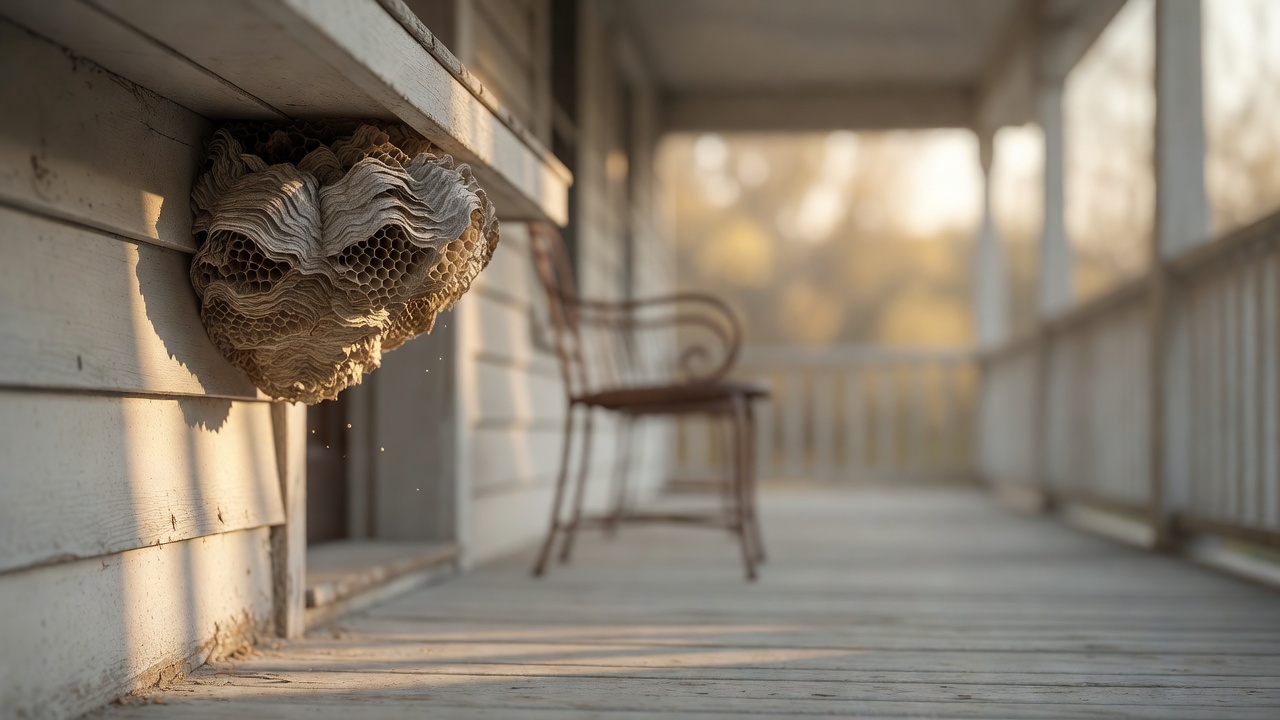 The nest has been there all summer, and her mother has been describing it on the telephone for all of that summer, so that Cora has come to know it entirely through the voice of a woman afraid of it.
The Paper House
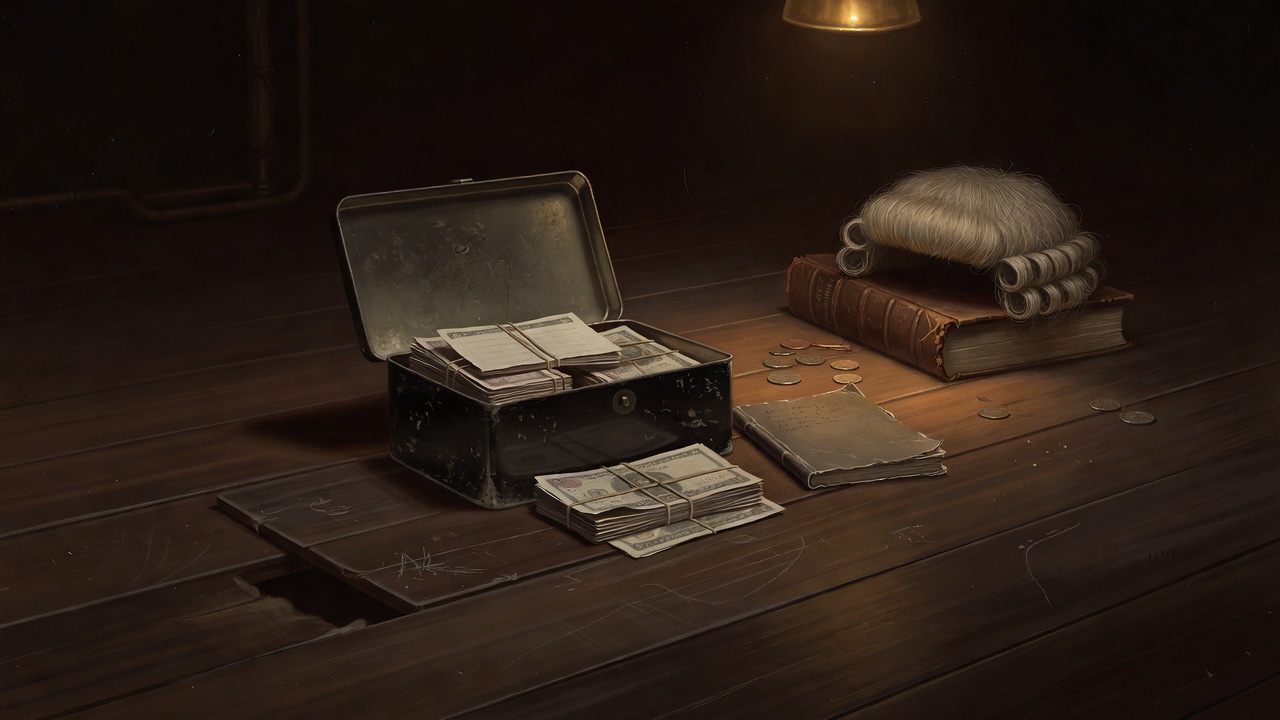 A nineteen-year-old Cobb is caught with the dock-workers' burial fund and will not say one word in his own defence — and the silence everyone has read as guilt is in fact the only act of love his family has left, and the one thing standing between the boy and the truth.
The Burial Fund
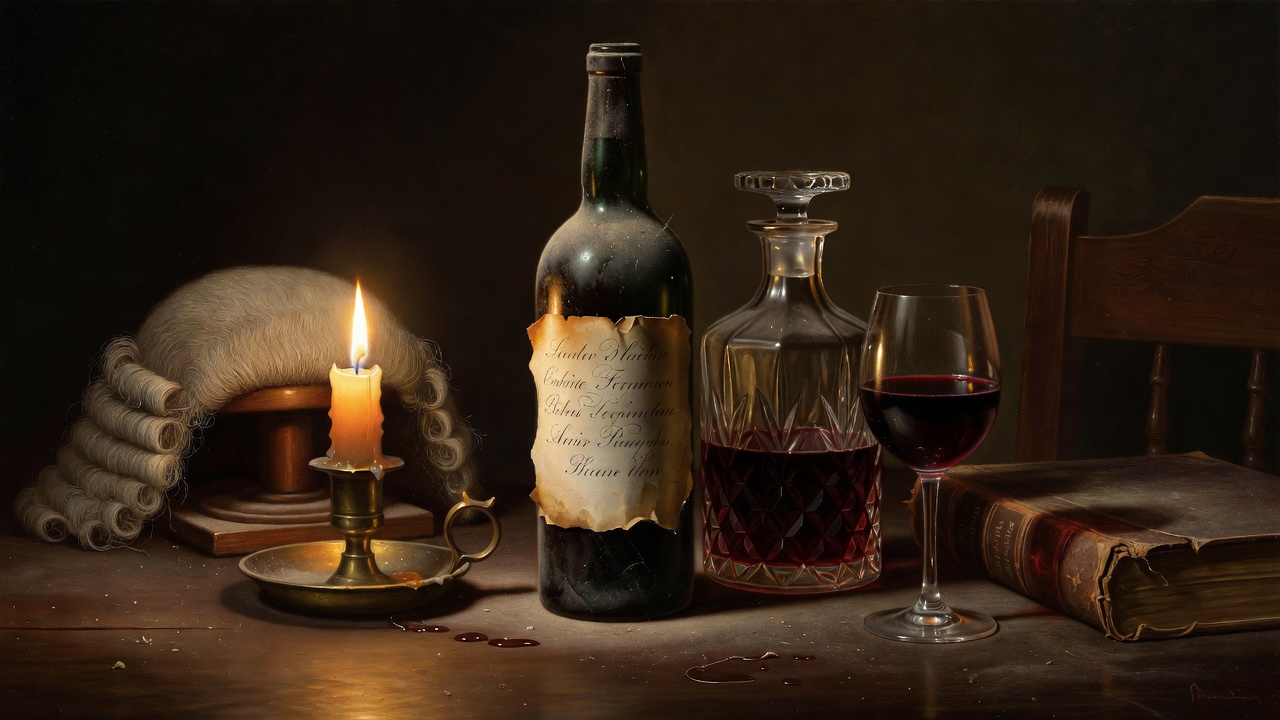 The spectrometer said the wine was a forgery, the master of wine agreed, and a man's life was to be ended over a bottle — and not one of them had thought to ask the only question that matters about a fake, which is who it was made to please.